
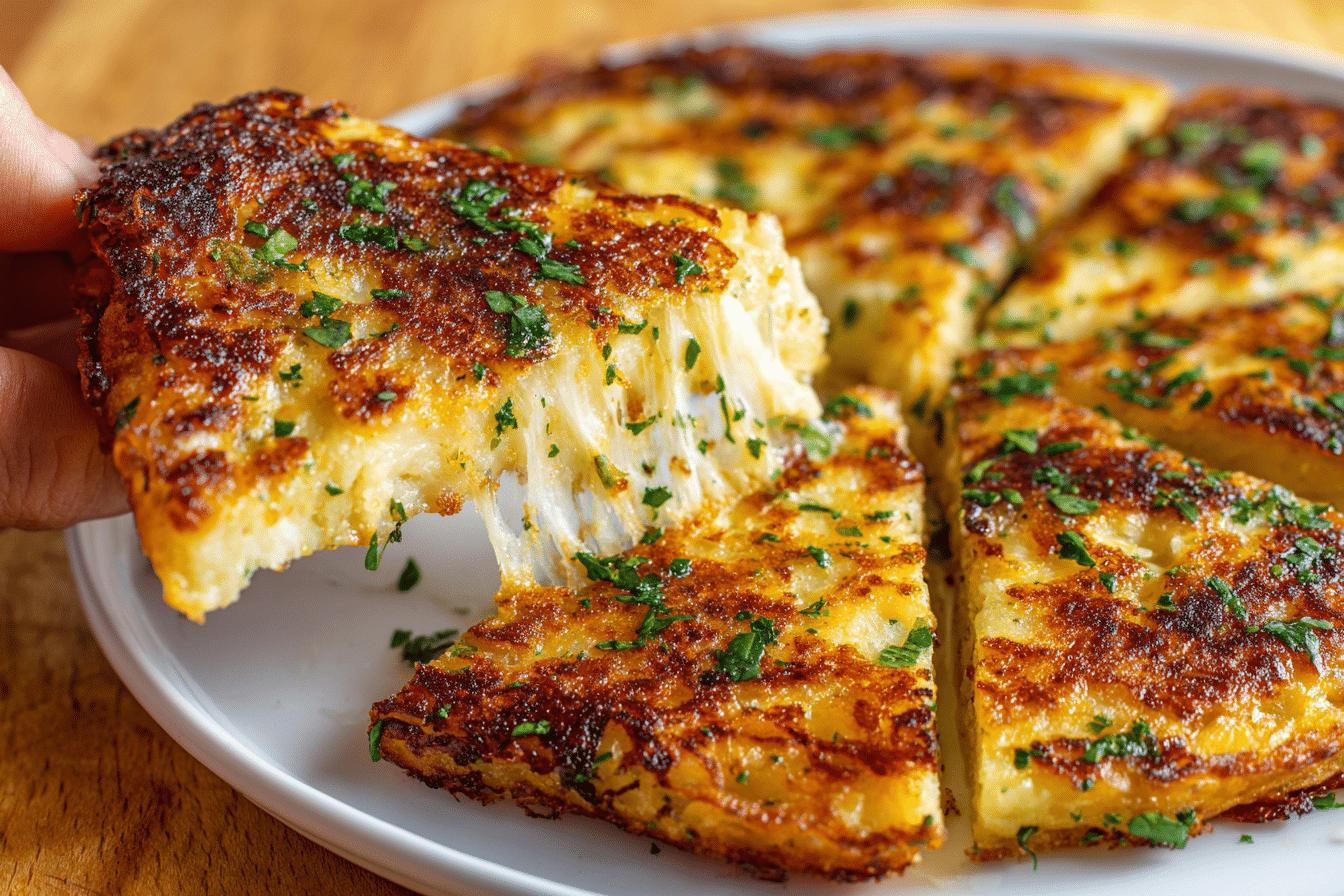
Frika is a traditional potato and cheese hash from the mountainous regions of the Balkans, particularly Slovenia and Friuli-Venezia Giulia (Italy’s northeastern border with Slovenia). It’s a humble, rustic dish made with just a handful of ingredients: potatoes, cheese, and fat — yet the result is deeply satisfying and packed with flavor.
Pan-fried until crisp on the outside and melty inside, Frika is the kind of dish that warms your soul. It’s traditionally eaten with crusty bread or pickled vegetables and often served as a hearty breakfast, peasant lunch, or mountain snack during colder months.
While it’s lesser known internationally, Frika is a staple in Slovenian households — and once you taste its golden edges and gooey cheese center, it’s easy to see why.
Ingredients Overview
Frika is built on just a few simple, quality ingredients, which makes choosing the right ones essential.
-
Potatoes: Use starchy potatoes like Russet or Yukon Gold. They crisp beautifully and have the right structure to bind with the cheese.
-
Grated vs. Sliced: Grated potatoes create a denser, more uniform texture; thinly sliced potatoes yield a layered effect. Either is authentic.
-
-
Cheese: Traditionally, Frika uses Tolminc, Trnič, or Montasio — hard Alpine cheeses with sharp, nutty profiles. Outside the region, aged cheddar, Asiago, Gruyère, or a sharp provolone work well.
-
Tip: Avoid very soft cheeses like mozzarella; they’ll make the dish greasy.
-
-
Butter or Pork Fat: Traditionally cooked in lard or pork crackling fat, but butter or a mix of butter and oil works in modern kitchens.
-
Optional: Add pancetta or bacon fat for smoky depth.
-
-
Salt & Pepper: Essential for seasoning, especially with potatoes.
-
Onion (Optional): Some regional versions include finely diced onion for sweetness and flavor. Cook thoroughly before adding potatoes to avoid moisture buildup.
Step-by-Step Instructions
1. Prepare the Potatoes
Peel and grate 2 large starchy potatoes (about 500g). Rinse briefly under cold water to remove excess starch, then squeeze out all the moisture using a clean towel or cheesecloth.
Chef’s Tip: Getting the potatoes as dry as possible is the key to crispiness.
2. Grate the Cheese
Grate about 1 to 1¼ cups of cheese (100–120g), depending on how rich you want your Frika. A mix of cheeses adds depth — for example, sharp cheddar with a bit of Parmesan.
3. Heat the Pan
In a nonstick or well-seasoned cast iron skillet (8–9 inches), melt 2 tablespoons of butter or pork fat over medium heat.
Optional: Add ¼ cup finely chopped onion and sauté until soft and golden. Remove and set aside.
4. Mix the Hash
In a large bowl, combine the grated potatoes, cheese, cooked onions (if using), ½ tsp salt, and a generous crack of black pepper. Mix until evenly incorporated.
5. Cook the Frika
Add the mixture to the hot skillet and press it down firmly with a spatula to form a compact, even cake. Cook over medium-low heat for 10–15 minutes, without stirring, until the bottom is golden brown and crisp.
Carefully flip using a plate: slide the Frika out onto a plate, invert the skillet over it, then flip the plate and skillet together.
Cook the other side for another 10 minutes, until crisp and fully cooked through. The interior should be tender and cheesy, while both sides are deeply golden.
6. Rest and Serve
Let rest for 2–3 minutes before slicing. Serve warm, in wedges, with sour cream, pickled vegetables, or crusty bread.
Tips, Variations & Substitutions
-
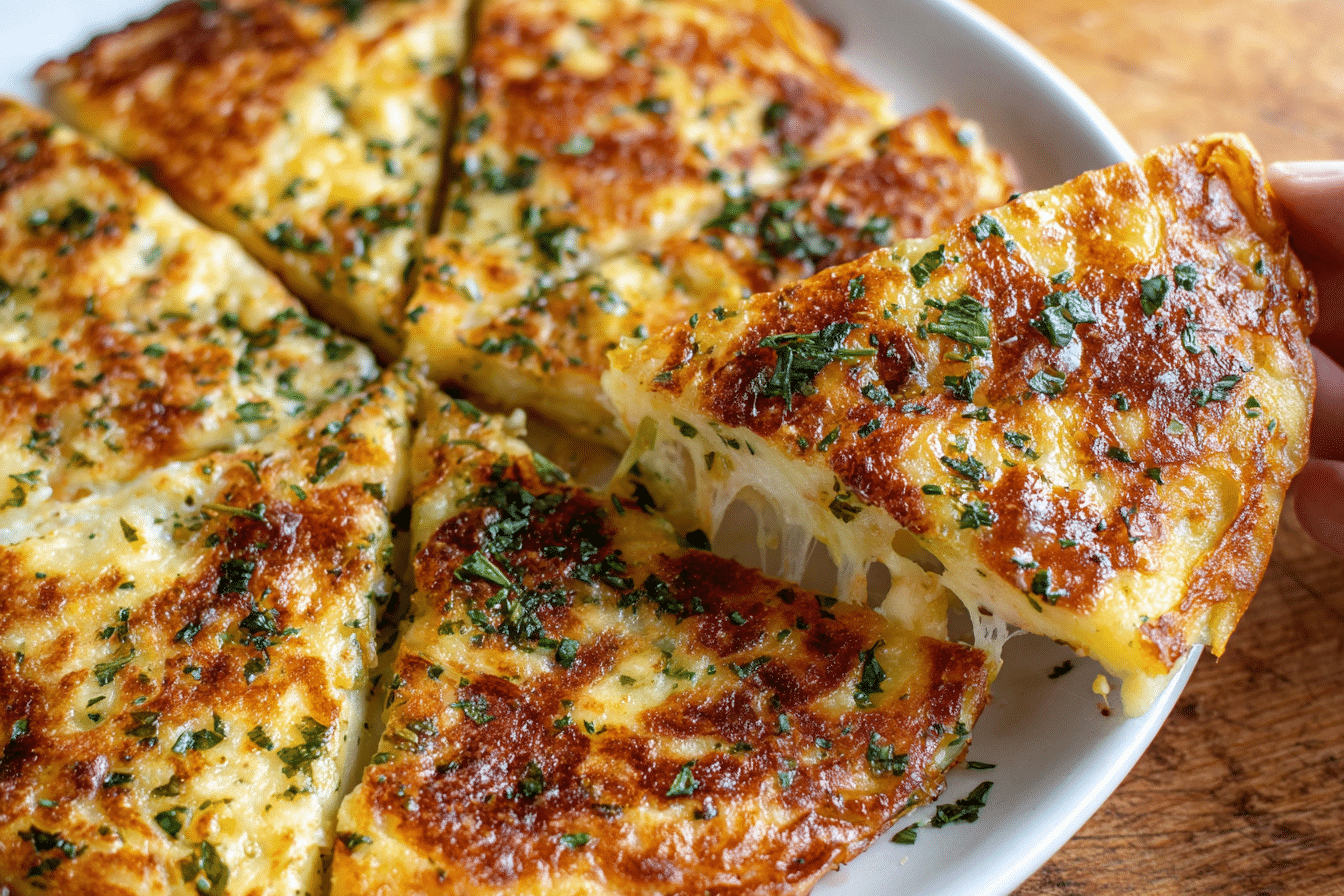
Don’t Rush It: Low and slow cooking helps develop a crisp, golden crust without burning while letting the cheese melt into the potatoes.
-
Add Protein: For a heartier version, mix in cooked bacon, pancetta, or sausage.
-
Herb Twist: A touch of chopped rosemary or thyme adds a fragrant note.
-
Vegan Option: Use plant-based butter and a good vegan melting cheese. Skip onions or use caramelized ones for extra flavor.
-
Gluten-Free: Naturally gluten-free — just double-check your cheese and seasonings.
-
Pan Size Matters: A smaller pan creates a thicker Frika, which is gooier inside. A larger pan gives you a thinner, crisper result.
Serving Ideas & Occasions
-
Mountain Breakfast: Pair with fried eggs and a steaming cup of coffee for a filling start.
-
Rustic Lunch: Serve with pickled red onions, sauerkraut, or a green salad dressed in vinegar.
-
Side Dish: Works beautifully with roast meats or hearty stews — the cheesy crisp texture contrasts rich sauces.
-
Winter Comfort Food: A great way to use leftover cheese or potatoes during colder months.
-
Snack or Tapas-Style Bite: Cut into small squares and serve with toothpicks and dipping sauce for casual entertaining.
Nutritional & Health Notes
Frika is a rich, energy-dense dish made for fuel — which makes sense, considering its origins in cold mountain regions.
-
Potatoes provide complex carbs and potassium.
-
Cheese adds calcium, protein, and fat — but also sodium and saturated fat.
-
It’s naturally gluten-free and vegetarian (if using butter or oil instead of pork fat).
For a lighter version:
-
Use less cheese (¾ cup instead of 1¼).
-
Add grated zucchini or sweet potato to the mix.
-
Cook in olive oil rather than butter or lard.
Typical serving (~1/4 of the cake):
-
250–320 calories
-
12–18g fat
-
25–30g carbs
-
8–12g protein
FAQs
Q1: Can I use boiled potatoes instead of raw?
A1: Yes, but the texture will be softer and less crispy. Grated raw potatoes give you that iconic hash crust, while pre-boiled potatoes result in more of a cheesy mash cake.
Q2: What’s the best cheese for Frika?
A2: Hard, aged cheeses like Montasio, Asiago, Gruyère, or sharp cheddar work best. They melt evenly without releasing too much oil and bring bold flavor.
Q3: How do I keep it from falling apart?
A3: Be patient! Press the mixture firmly into the pan, cook slowly, and don’t flip too soon. Using a plate to invert helps keep the cake intact.
Q4: Can I bake it instead of pan-frying?
A4: You can, but it won’t get quite the same crust. Bake in a greased ovenproof skillet or dish at 400°F (200°C) for 25–30 minutes, then broil for crispness.
Q5: Does Frika reheat well?
A5: Yes, leftovers can be reheated in a skillet or toaster oven until crispy. Avoid microwaving, which softens the crust.
Q6: Is Frika the same as Rösti?
A6: Similar in technique, but Rösti usually doesn’t include cheese and uses parboiled potatoes. Frika is cheesier, often richer, and unique to the Balkans.
Q7: Can I make it ahead of time?
A7: You can prep the potato-cheese mixture in advance and store it in the fridge for up to 1 day. Cook just before serving for the best texture.
PrintFrika (Potato and Cheese Hash) – A Rustic Balkan Comfort Food
Frika is a traditional Balkan potato and cheese hash with crispy edges and a soft, cheesy center. Rustic, comforting, and made with just a few simple ingredients.
Ingredients
-
2 large starchy potatoes (about 500g), peeled and grated
-
1¼ cups grated hard cheese (Montasio, Asiago, or sharp cheddar)
-
2 tbsp butter, lard, or oil
-
Salt and pepper, to taste
-
Optional: ¼ cup finely diced onion
Instructions
-
Squeeze moisture from grated potatoes. In a bowl, mix with cheese, salt, pepper, and sautéed onion if using.
-
Heat butter or fat in a nonstick skillet over medium heat.
-
Add mixture, press down evenly, and cook 10–15 minutes until golden.
-
Flip using a plate and cook the other side for another 10 minutes.
-
Let rest 2 minutes before slicing and serving.
Notes
-
Use Gruyère, provolone, or aged cheddar if traditional cheeses aren’t available.
-
Serve with pickled veggies, sour cream, or crusty bread.
-
Leftovers reheat well in a skillet.